Linkedin
 Instagram
 Facebook
 Youtube
 Pinterest

In recent tourist seasons we have witnessed a relevant phenomenon: a growing number of destinations and hotel establishments that have historically relied on a traditional celebratory leisure model are reconfiguring their value proposition to meet new demands.
The recovery and consolidation of the sector after years of volatility has accelerated this transition and highlighted a rising trend: family tourism as a driver of economic and social sustainability.
Family tourism represents a strategic part of the global and Spanish markets. The latest Turespaña study, which analyzed traveler behavior between 2016–2024, already indicated that this segment accounted for more than 27% of international travelers visiting Spain, generating nearly one-fourth of total tourism expenditure. Additionally, specific studies show that in areas such as the Valencian Community, family tourism can represent up to 36% of total demand, although the offer is still little specialized in meeting these needs.
This change should not be read as a passing fad, but as a response to structural factors in the way people travel today. Families plan further in advance, seek shared and unique destination experiences, and value services that allow them to enjoy without the stress of logistics or safety. At the same time, concern for the well-being of the little ones and the search for enriching experiences is shaping reservation decisions.
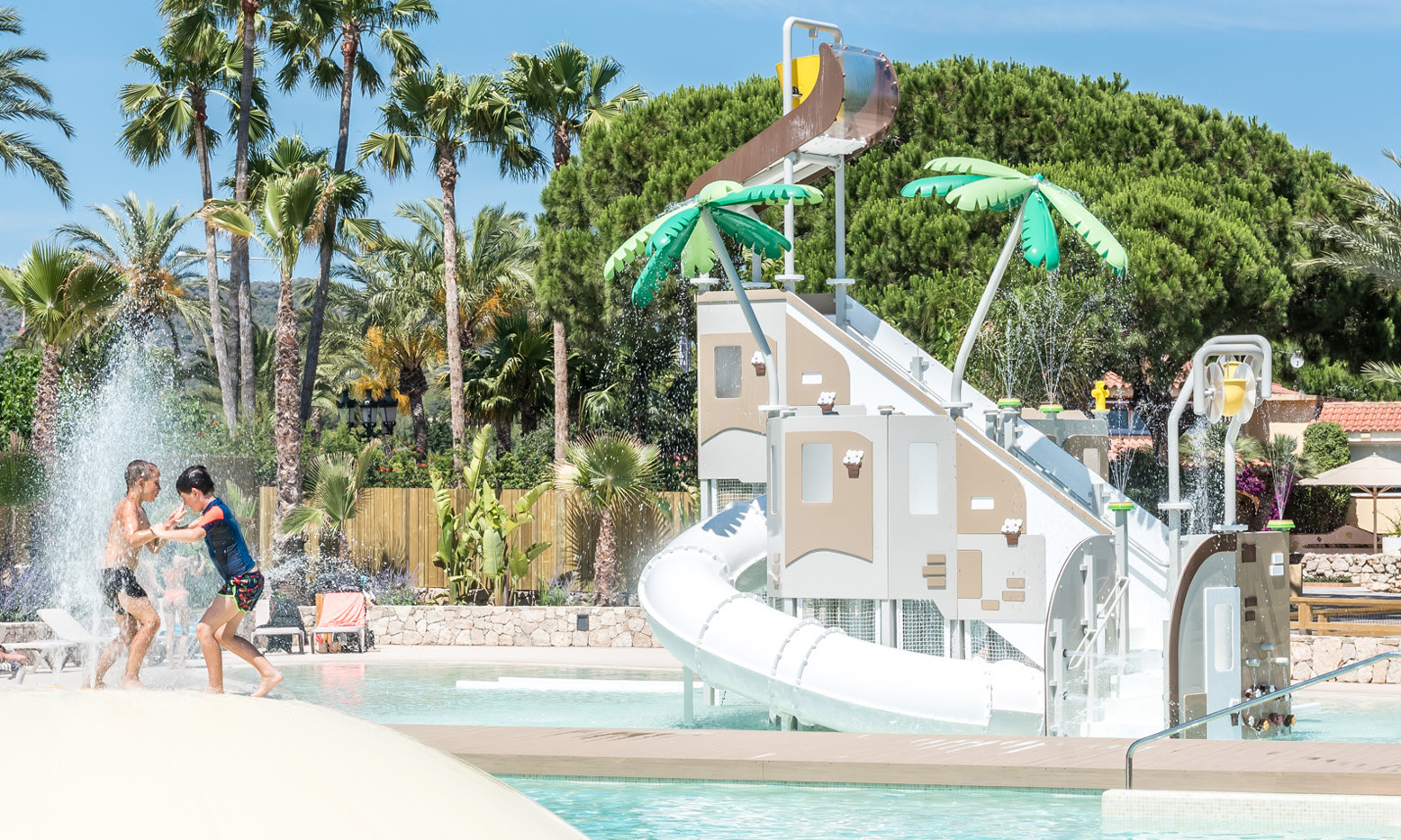
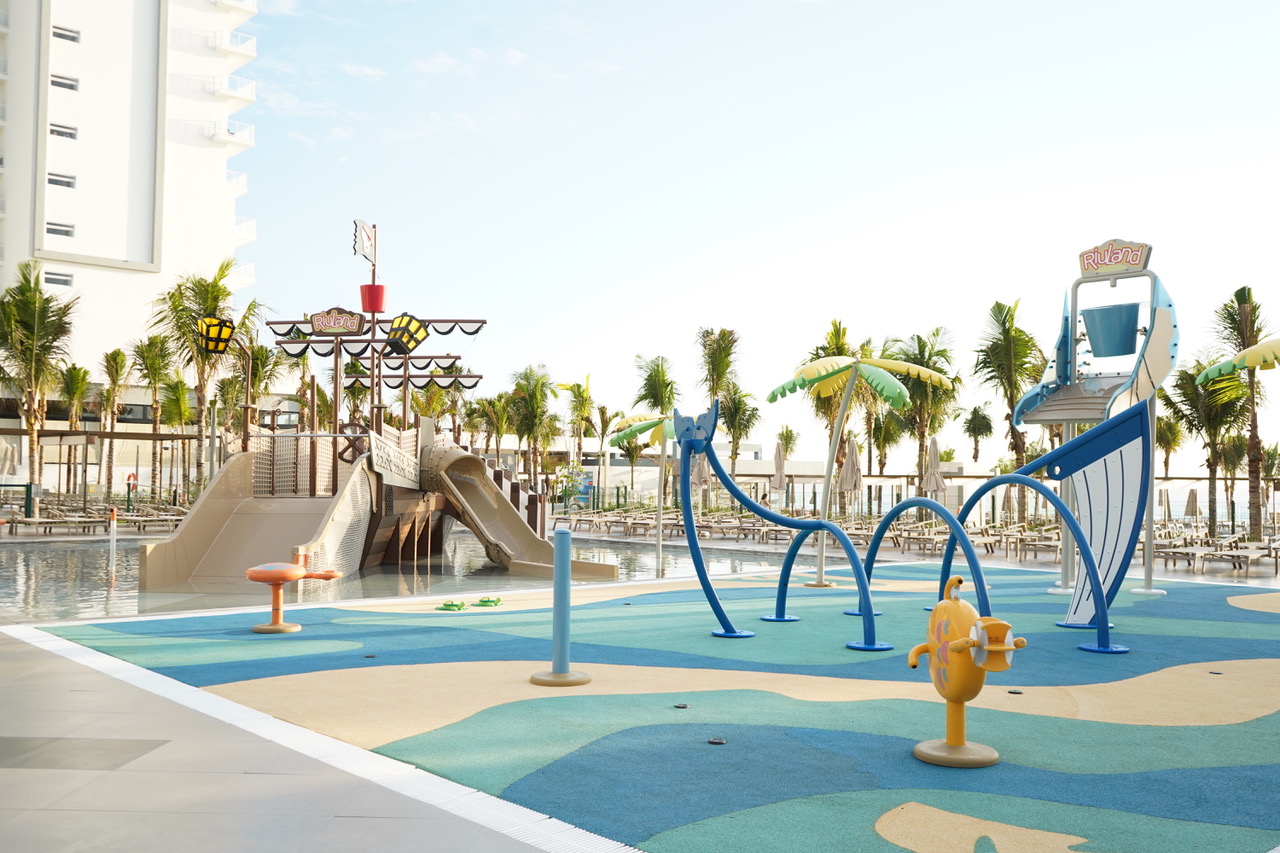
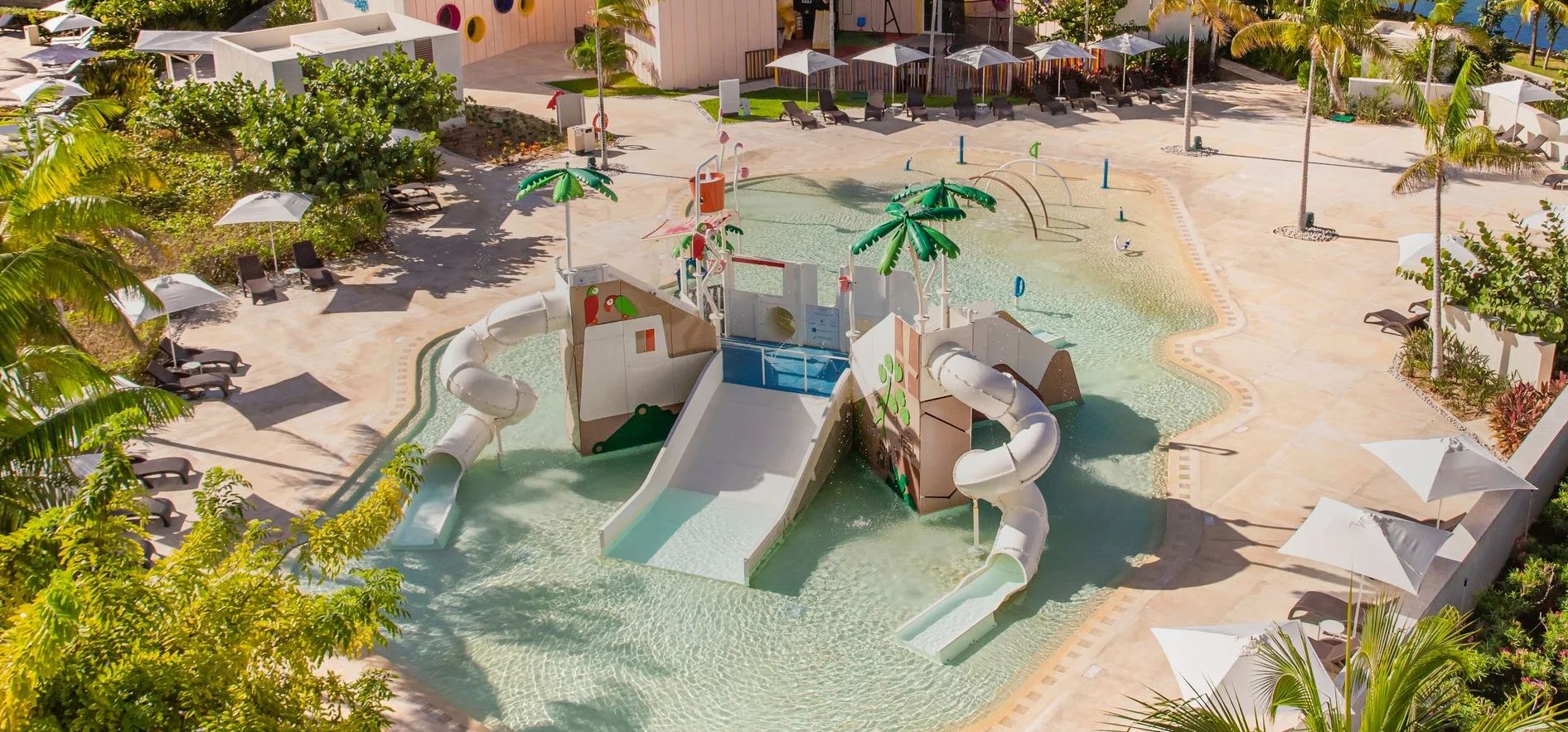
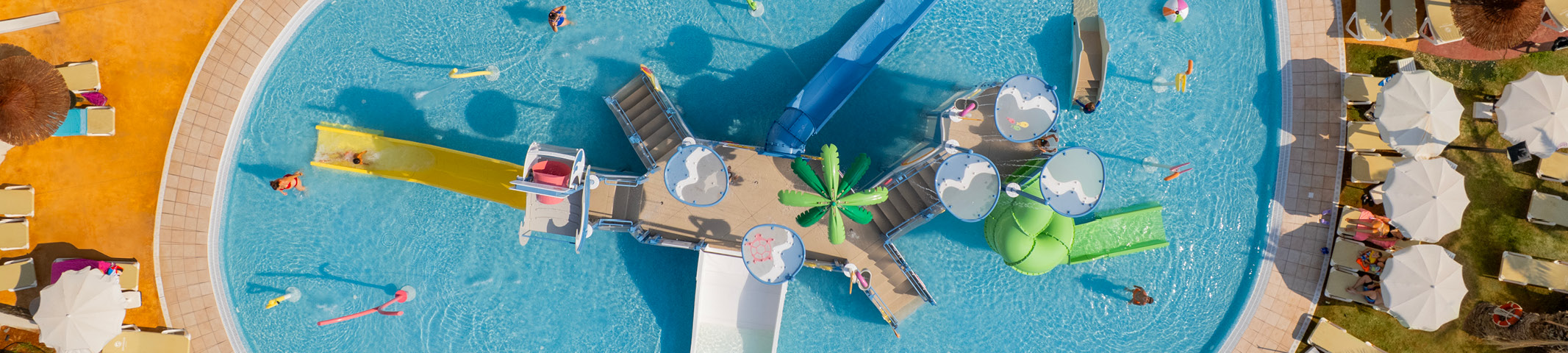
One recurring element in these families’ preferences is the presence of safe and creative leisure facilities, from playful water areas to multisensory playgrounds.
Indeed, regions and establishments that decided to combine accommodation with thematic or aquatic attractions have observed tangible benefits. In international destinations, hotels with integrated water parks have not only achieved higher occupancy and customer loyalty rates, but also boosted revenue per available room by extending guests’ average stays and increasing overall satisfaction.
But beyond the immediate economic impact, what underlies this trend is a revaluation of the tourist experience as a shared moment. Families do not travel only to rest; they seek scenes and moments that remain in the memories of parents and children. For this reason, integrating play spaces, interaction and discovery into hotels and the tourist environment ceases to be an accessory matter and becomes a strategic differentiator.
In this context, the customization of family leisure projects becomes a key element for hotels to build an offer consistent with their brand identity and environment. It is not about installing generic structures: it is about designing experiences that respond to the place’s story, its values and the expectations of its visitors. A splashpark, a waterpark or a playground can, if well conceived, become an extension of the destination’s narrative itself.
The transition toward family tourism is not merely a market dynamic; it implies a redefinition of the tourism model itself. Beyond classic indicators such as occupancy, a proposal centered on experience quality, intergenerational coexistence and the creation of real ties to the destination emerges. This approach provides stability, elevates the perception of the establishment and encourages longer stays that are fondly remembered.
In a highly competitive environment, it is not only about attracting more guests, but about offering clear reasons to choose, repeat and recommend.
From ISABA, as a result of our continuous work with destinations and tour operators, we interpret this evolution as a clear sign of the direction the sector is taking. Family-oriented leisure projects do not simply expand the target audience; they redefine the positioning of the establishment. The question is no longer whether family tourism represents a strategic opportunity. The real difference will be made by those who know how to integrate it coherently, with personality and a long-term vision.